What to Look at Before an MMA Fight
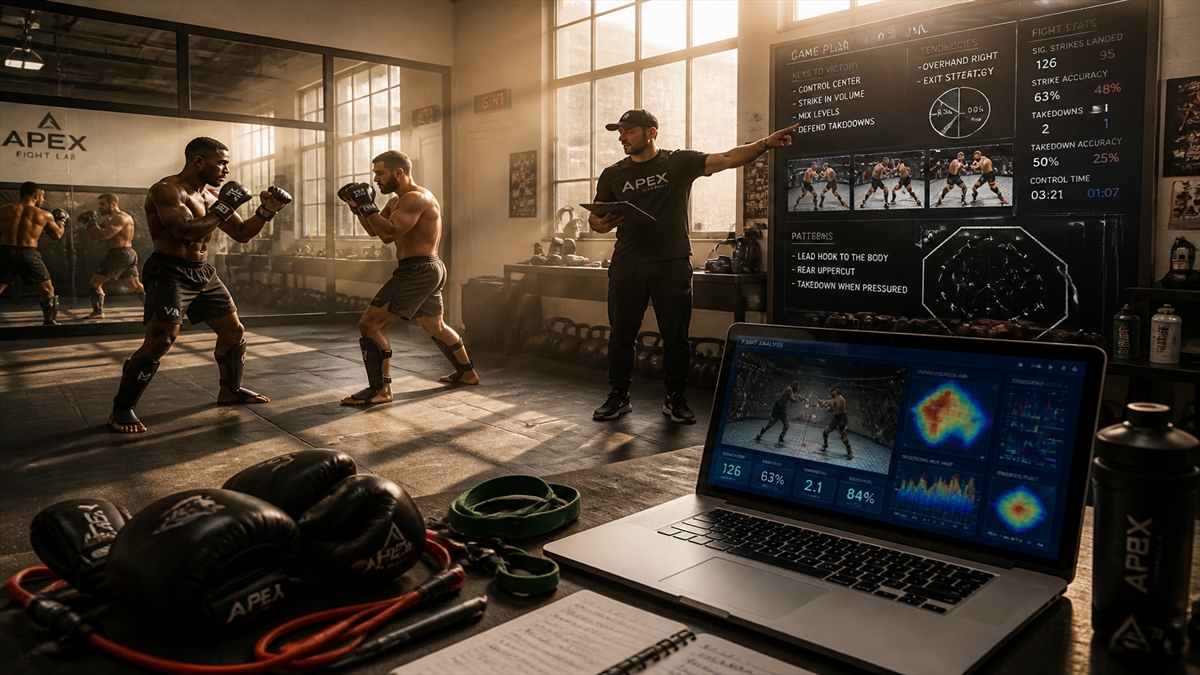
Two fighters can look evenly matched on paper and still produce a completely one-sided fight. Records and rankings give fans a useful starting point, but MMA matchups are usually decided by a much wider combination of factors. Before fight night, fans may compare recent performances, statistics, and betting odds available through sites such as Oxibet Casino, while also considering how the strengths of one fighter match up against the weaknesses of the other.
There is no single statistic that can explain an MMA matchup. The sport combines striking, wrestling, submissions, conditioning, defense, and tactics, which is exactly why looking beyond the basic record matters.
Start With the Opposition
A fighter's record is usually the easiest place to begin.
Seeing 14-1 next to someone's name immediately creates an impression. But the quality of those 15 opponents matters just as much as the results.
A fighter who has already faced several experienced or ranked opponents has been tested differently from someone building a similar record against less established competition.
Losses need context as well.
Losing a competitive fight against one of the best athletes in the division may tell us more than several comfortable victories against lower-level opposition.
This is why strength of schedule should be considered alongside the basic win-loss record.
Look at the Last Few Fights
MMA careers rarely develop in a straight line.
A fighter who struggled three years ago may have improved considerably since then. Someone who once looked dominant may now be dealing with injuries, declining speed, or increasingly difficult opposition.
Recent fights can provide clues about those changes.
Rather than simply checking whether a fighter won or lost, it helps to look at the performance itself.
Was the victory dominant? Did the fighter struggle before finding a late finish? Was a recent loss competitive, or did it expose a weakness that another opponent could target?
Those questions provide far more information than the result alone.
Style Is Often the Biggest Question
MMA is unusual because athletes can reach the top using very different skill sets.
One fighter may prefer to stay at distance and strike. Another might constantly pressure forward looking for takedowns. Some competitors are dangerous submission specialists, while others build their success around defensive wrestling and boxing.
This makes stylistic matchups particularly important.
An excellent striker could have a difficult night against someone capable of repeatedly taking the fight to the ground.
A strong wrestler may have the opposite problem when facing an opponent who is extremely difficult to take down.
The most useful question is therefore not always “Who is the better fighter?”
Sometimes it is “Whose style works better in this particular matchup?”
Striking Numbers Need Context
Strike statistics can provide useful information, but raw totals do not explain everything.
A fighter who lands frequently may appear to have an obvious advantage. However, volume, accuracy, defense, and power are different qualities.
Some fighters overwhelm opponents with activity. Others throw less often but create more damage when they connect.
Defense also matters.
A competitor who lands four significant strikes per minute but absorbs almost the same number is fighting very differently from someone who lands at a similar rate while taking much less damage.
Distance matters too. Fighting from range, working in the clinch, and striking on the ground create very different situations.
Numbers become more useful when they are connected to how the fighter actually competes.
Takedown Defense Can Change a Fight
A strong wrestling game can completely alter the direction of a matchup.
But simply knowing that one fighter attempts many takedowns is not enough.
Fans also need to consider how efficiently those attempts are completed and how well the opponent normally defends them.
If a fighter depends heavily on wrestling but faces someone with excellent takedown defense, the fight may remain standing much longer than expected.
The opposite is also possible.
A striker who has looked impressive against other stand-up fighters may suddenly have very little room to work when facing constant wrestling pressure.
This is why takedown statistics become especially valuable when viewed alongside style.
Cardio Becomes More Important as the Fight Goes On
Some fighters are extremely dangerous during the opening minutes.
The question is whether they can maintain the same pace.
Repeated takedown attempts, explosive striking exchanges, and grappling sequences require considerable energy. A fighter who starts aggressively may become much less effective if the contest reaches the later rounds.
This is especially important in five-round fights.
Championship bouts and many main events can last up to 25 minutes, creating a different challenge from a standard three-round contest.
Experience in later rounds can therefore be valuable when assessing how a fighter may perform if an early finish does not happen.
Official Records Add Useful Detail
Modern MMA fans have access to far more information than a basic fight record.
The UFC Record Book tracks official records across areas including significant strikes, total strikes, takedowns, and submission attempts, allowing fans to compare different aspects of performance across UFC competition.
These numbers can help identify patterns.
A fighter who consistently lands large numbers of strikes may depend heavily on pace. Someone with strong takedown numbers may be most effective when controlling where the fight takes place.
The important part is understanding what a statistic actually represents rather than treating the highest number as automatically better.
Weight-Class Changes Can Complicate Things
Moving between divisions adds another variable.
A fighter moving up in weight may benefit from avoiding a difficult weight cut. They may feel stronger and have more energy during the fight.
But they will also face naturally larger opponents.
Moving down creates the opposite situation. A fighter may gain a physical size advantage but face a more demanding weight cut.
Previous results from another division therefore do not always translate perfectly into the new one.
It can take several fights before it becomes clear how well a fighter fits into a different weight class.
Age Doesn't Tell the Whole Story
Age receives plenty of attention before MMA fights, particularly when a veteran faces a younger opponent.
But the number alone can be misleading.
Two 35-year-old fighters may have completely different levels of wear.
One may have competed in dozens of difficult professional fights. Another may have entered the sport later and absorbed considerably less damage.
Fighting style matters too. A competitor whose game depends heavily on speed and reactions may experience aging differently from someone who relies more on positioning, wrestling, or technical control.
Age is worth considering, but fight history provides important context.
Don't Ignore the Small Details
Some of the most interesting clues before a fight do not fit neatly into a statistic.
Has the fighter changed camps? Are they returning after a long period of inactivity? Are they taking the fight on short notice? Have they recently moved to another weight class?
None of these factors guarantees a particular result.
They simply add context to everything else.
The mistake is looking for one piece of information that supposedly predicts the entire fight.
MMA Is Difficult to Read for a Reason
Good fight analysis is about putting several pieces together.
Records show what happened in the past. Statistics reveal patterns. Fight footage shows how those numbers were produced. Styles help explain where each competitor may have an advantage.
Even after considering all of them, MMA remains unpredictable.
One clean strike can erase several minutes of control. A small mistake on the ground can lead to a submission. A fighter who appears exhausted can suddenly find a finish.
That uncertainty is not a weakness in MMA analysis. It is part of what makes the sport interesting.
The numbers help fans understand the matchup before the cage closes. What happens afterward is why the fight still needs to be watched.


